.jpg)



Taxi drivers paying EXTRA £200 a year to cover new accounting costs associated with new HMRC Making Tax Digital rules

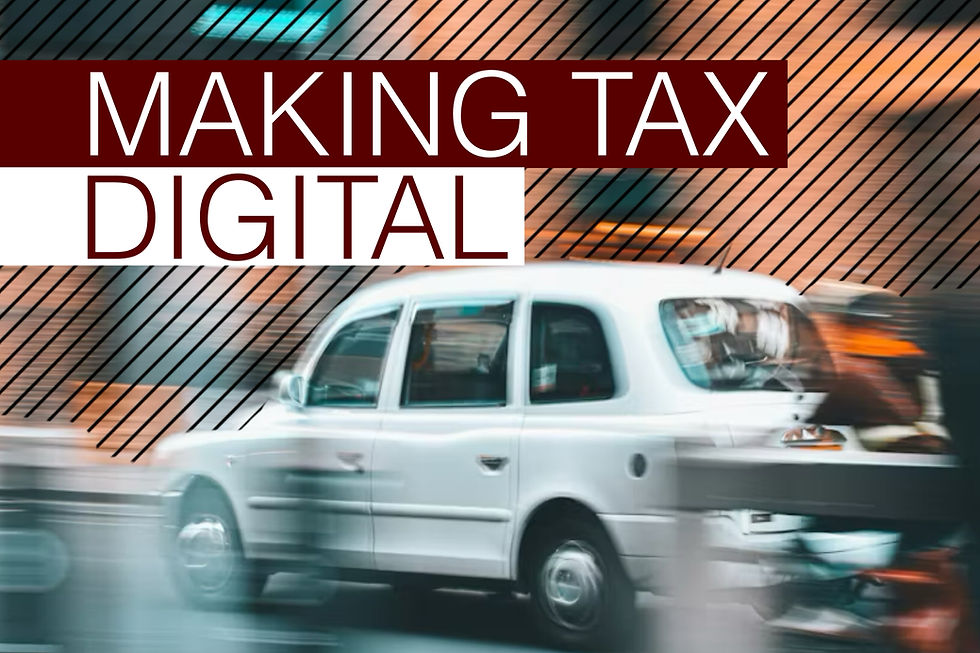

Taxi drivers and other sole traders preparing for the introduction of Making Tax Digital (MTD) for Income Tax are increasingly examining the real cost of compliance, with software subscriptions and associated expenses becoming a key concern ahead of the April 2026 deadline.
Under the new rules set by HM Revenue & Customs, affected drivers will be required to keep digital records and submit quarterly updates using compatible software. While the shift is intended to modernise tax reporting, it also introduces a new layer of ongoing costs for self-employed workers who have traditionally relied on spreadsheets or paper records.

Entry-level MTD-compatible software is expected to cost drivers between £5 and £20 per month, depending on functionality and provider. Basic packages typically include income and expense tracking along with quarterly submission capability. However, more comprehensive solutions offering features such as mileage tracking, invoicing and accountant integration can push monthly costs higher, particularly for drivers operating as part of larger fleets or managing multiple income streams.
For many in the taxi trade, these costs represent a notable change to their operating model. Unlike annual accounting fees, which are often predictable and infrequent, MTD software introduces a recurring monthly expense. Over a full tax year, even lower-cost solutions could amount to £60 to £240, with more advanced packages exceeding that range.
Subscription fees and add-on options come into focus as self-employed drivers prepare for mandatory digital reporting
Additional costs may also arise during the transition period. Drivers who are less familiar with digital systems may need to invest in training or pay accountants for setup and ongoing support. Some may also require upgraded smartphones or devices capable of running modern accounting applications, further increasing the upfront financial impact.
However, industry accountants point out that most MTD-related costs are likely to be tax deductible. Software subscriptions, professional fees and certain training expenses can typically be recorded as allowable business expenses, reducing overall taxable profit. This means that while drivers will incur new costs, the net financial impact may be partially offset through the tax system.
The extent of that offset will depend on individual circumstances, including income level and existing expenses. For drivers already working with accountants or using paid bookkeeping tools, the transition may result in only marginal additional costs. In contrast, those moving from entirely manual systems may see a more noticeable increase in their annual outgoings.
Some software providers are positioning their products as offering operational benefits beyond compliance. Features such as real-time income tracking and automated expense categorisation could improve financial visibility for drivers, particularly in managing fluctuating weekly earnings. However, adoption of these features will depend on user confidence and willingness to engage with digital tools.
Concerns remain across parts of the sector, particularly among older drivers and those operating on tight margins. Trade representatives have highlighted the cumulative impact of rising costs, including fuel, vehicle maintenance and insurance, with MTD compliance adding further pressure. While the individual monthly fee may appear modest, it contributes to a broader cost environment that many drivers are already navigating.
With the April 2026 implementation date approaching, attention is shifting from awareness to financial planning. Taxi drivers are being advised to assess software options early, understand what features they require and factor the cost into their wider business budgeting.