.jpg)



$100 oil warning raises fresh cost pressures for UK taxi drivers
- Perry Richardson

- Mar 10
- 2 min read
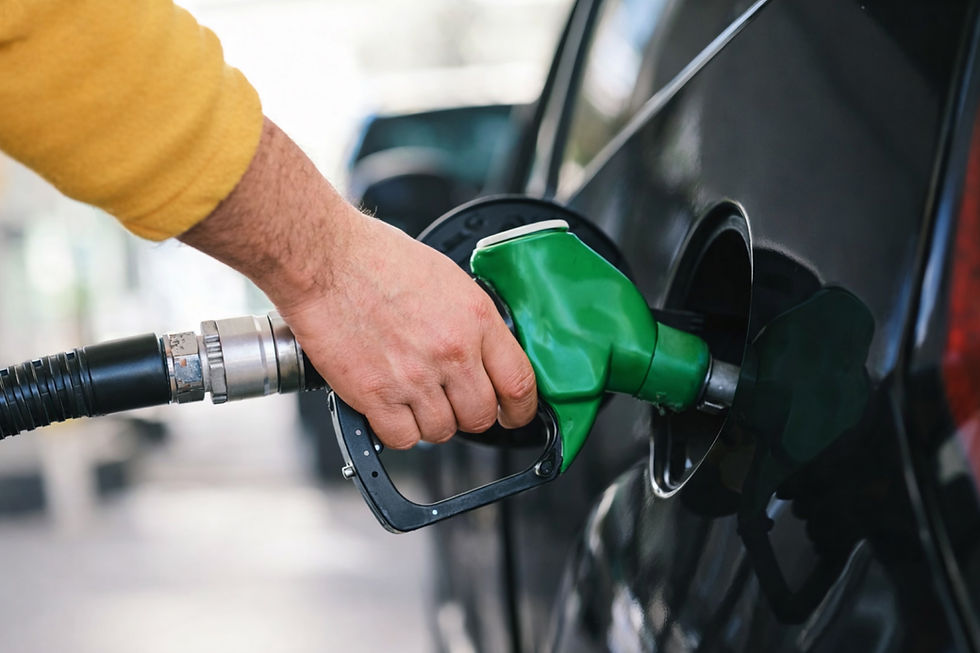

Taxi drivers across the UK could face a fresh squeeze on operating costs if global oil prices remain around $100 per barrel, as forecourt fuel prices continue to climb sharply.
The RAC has warned that petrol and diesel prices have surged over the past week and are expected to rise further, increasing financial pressure on motorists and commercial drivers who rely heavily on fuel to operate.

Average petrol prices have increased by 5p per litre to 137.5p, while diesel has risen by 9p to 151p since the current crisis began on Saturday 28 February. For taxi drivers who often cover hundreds of miles each week, even small increases at the pump can translate into substantial additional weekly costs.
RAC head of policy Simon Williams said: “Average petrol and diesel prices have rocketed in the last week and are unfortunately likely to keep on rising, so the situation for UK drivers is looking increasingly bleak.”
Rising crude prices could push petrol to 150p and diesel close to 180p a litre, increasing operating costs for the taxi trade.
Williams said petrol is “almost certainly going to reach an average of 140p in the next week or so while diesel looks highly likely to climb to at least 160p a litre”. Diesel prices are particularly significant for many taxi and private hire drivers who operate diesel vehicles due to their fuel efficiency on high-mileage work.
The organisation warned that if oil prices remain around the $100 mark, pump prices could climb further. Williams said: “With oil at a sustained $100, petrol could rise towards 150p a litre - a price not seen since June 2024. Diesel could reach almost 180p, which would be a three-year high.”
For taxi drivers, rising fuel costs directly affect profitability, particularly in areas where fares are regulated by local authorities and cannot easily adjust to sudden increases in operating expenses. Higher diesel prices could therefore tighten margins for drivers who rely on long-distance journeys, airport transfers, and late-night work to maintain income levels.
Despite the recent surge, the RAC is advising motorists to continue filling up normally rather than panic buying. Williams said drivers should “shop around for the best prices using apps like myRAC as there can be big local differences between forecourts”.
He also advised motorists to focus on fuel-efficient driving habits. Avoiding harsh acceleration and braking and keeping tyres properly inflated can help drivers “eke out every last mile and save money”.