.jpg)



London Assembly launches investigation into driverless taxi rollout as commercial services edge closer

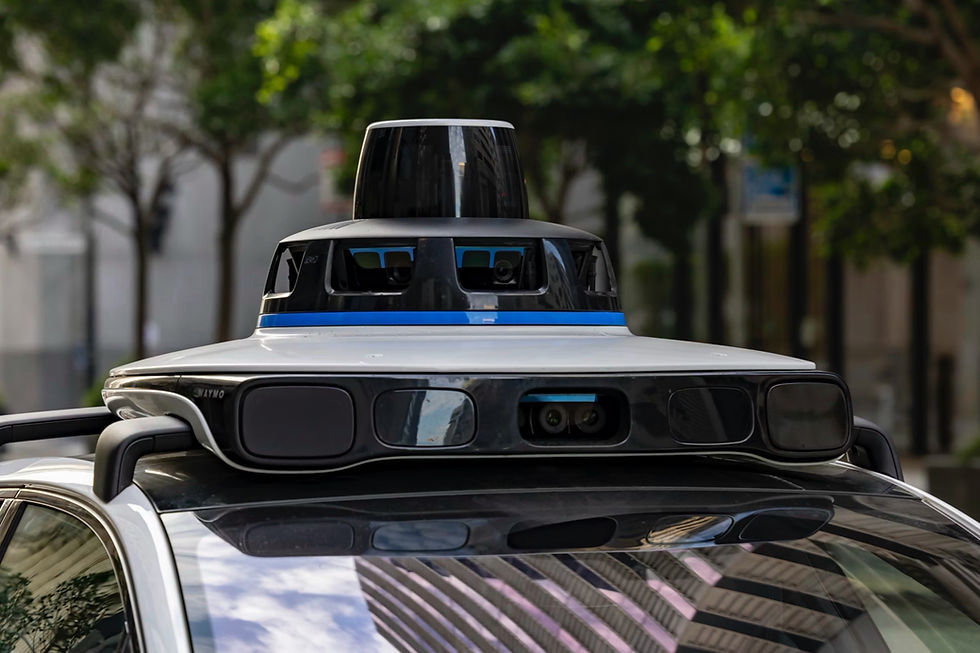

The London Assembly Transport Committee has launched a formal investigation into the potential introduction of autonomous passenger vehicles in the capital, as several operators move closer to launching commercial driverless taxi services before the end of 2026.
The investigation will examine how autonomous passenger vehicles, often referred to as robotaxis or driverless taxis, could be licensed for commercial operations in London and what role both the Mayor of London and Transport for London (TfL) should play in overseeing the emerging sector. The committee will also assess the implications for employment across the taxi and wider private hire vehicle industries.

The scrutiny comes as the Department for Transport continues work to accelerate autonomous transport services. According to the committee’s investigation document, several companies, including Uber and UK-based Wayve, are seeking regulatory approval to carry passengers in automated vehicles in London this year.
The investigation notes that autonomous passenger vehicles have already gained significant traction in parts of the United States. Waymo, owned by Alphabet, is currently providing around 500,000 paid journeys each week using a fleet of more than 3,000 vehicles operating across ten US cities. The company’s weekly trip volumes have increased tenfold in the last two years, with estimates suggesting it now accounts for around one in four ride-hailing journeys in San Francisco.
Transport Committee seeks evidence on licensing, safety, accessibility and the impact autonomous passenger vehicles could have on London’s taxi and private hire sectors.
However, public confidence remains a significant hurdle. Research cited by the committee found that while Londoners were the most trusting of self-driving technology compared with respondents from other UK regions, 79 percent said they would not trust or feel comfortable travelling in a driverless car. Only 21 percent indicated they would be comfortable using one. Concerns over reliability were also identified among respondents nationwide.
Alongside public acceptance, the committee is expected to examine wider strategic issues. These include whether autonomous passenger vehicles align with the Mayor’s Transport Strategy, including Vision Zero road safety ambitions, traffic reduction targets and goals to increase public transport and active travel usage. Accessibility, interactions with other road users and lessons from overseas deployments will also form part of the review.
The investigation document also highlights concerns raised by some experts about the prospect of London becoming dependent on private technology providers. It references risks associated with cyber security, including the potential for attacks targeting connected vehicle systems and wider disruption to transport networks.
As part of the inquiry, the Transport Committee has opened a call for evidence from organisations, industry stakeholders and individuals with relevant expertise. Written submissions can be made until 26 June 2026, after which the committee will consider the evidence gathered before publishing its findings.