.jpg)



Private hire representatives declare “STATE OF EMERGENCY” as Waymo driverless pilot gets set for London launch

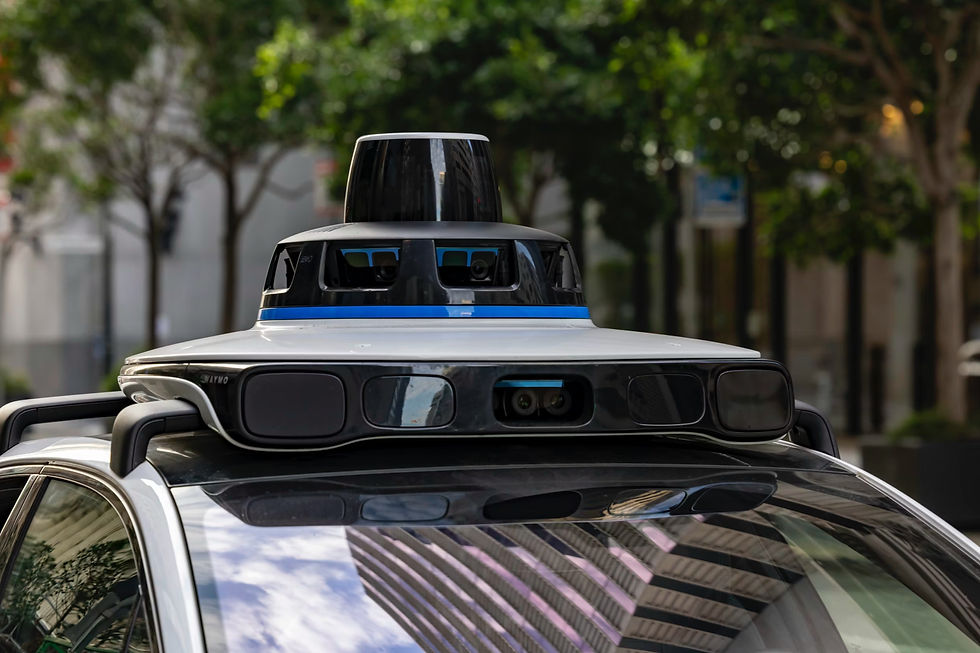

The App Drivers’ & Couriers’ Union (ADCU) has declared a “state of emergency” for London’s private hire sector, citing concerns over job security as Waymo prepares to introduce driverless taxis in the capital.
The Alphabet-owned autonomous vehicle firm is expected to begin a passenger pilot programme in London, with a wider rollout of its robotaxi fleet anticipated later this year. The development has prompted warnings from the union that up to 100,000 licensed private hire vehicle (PHV) drivers could face significant disruption to their livelihoods.

Cristina-Georgiana Ioanitescu, ADCU General Secretary, said the planned deployment raises serious questions about the future of work in the capital’s transport sector. She pointed to the longstanding role PHV drivers have played in supporting London’s economy, including during the COVID-19 pandemic, and warned that the shift towards automation risks sidelining a large workforce without adequate safeguards.
Ioanitescu said: “For years, PHV drivers have kept this city moving. Early mornings, late nights, long hours in traffic, they’ve done it all. They’ve carried key workers during the pandemic, helped families get home safely, and supported London’s economy every single day.
“But now, with companies like Waymo preparing to roll out driverless cars across our streets, thousands of livelihoods are being put at risk, and the people in power are not doing enough to protect the workers who will be hit the hardest.”
Union warns of potential impact on 100,000 private hire drivers ahead of planned autonomous vehicle rollout
The union argues that current legislative developments are focused on enabling autonomous vehicle deployment, while lacking parallel measures to support workers affected by the transition. Concerns include the absence of retraining programmes, income protection measures, or structured transition plans for drivers who may lose work as automation expands.
Ioanitescu added: “Let’s be clear: This isn’t just about technology. This is about fairness, dignity, and the future of work. Autonomous vehicles don’t pay rent. They don’t support families. They don’t contribute to local communities. But drivers do, and they always have.”
ADCU is calling for a series of policy interventions, including a formal transition plan for PHV drivers, job protection guarantees, and revised licensing frameworks that ensure a level playing field between human drivers and autonomous operators. The union is also seeking formal consultation rights before any large-scale deployment of driverless fleets.
The warning comes as policymakers and regulators continue to assess how autonomous vehicle technology could be integrated into existing transport systems. While industry stakeholders have highlighted potential benefits such as improved efficiency and reduced operating costs, unions and driver groups are increasingly raising concerns about workforce displacement and regulatory readiness.
Ioanitescu said the union would continue to organise drivers and push for stronger protections, adding that any future transport model must include those currently working within the sector.