.jpg)



Should councils adjust taxi fare tariffs more frequently to match rising costs facing cabbies?

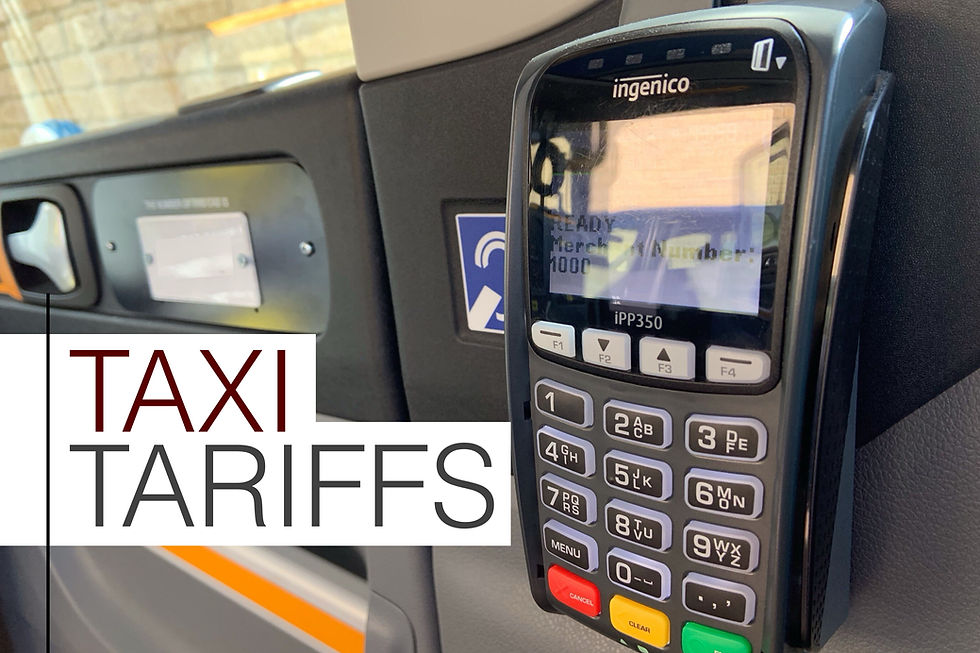

Taxi drivers across the UK continue to face mounting pressure as regulated fare tariffs lag behind sharp increases in operating costs, prompting renewed discussion for all councils to move to annual tariff reviews.
In some regions taxi fare tariffs set by local authorities are increasingly failing to keep pace with inflation, leaving many drivers absorbing years of rising costs before any adjustment is made. While fuel, insurance, vehicle finance and licensing fees have climbed steadily since 2021, tariff reviews in some areas have remained frozen for three, four or even five years.

Under current rules, councils control maximum taxi fares through locally set tariffs. Although authorities are permitted to review and amend tariffs at any time, there is no statutory requirement to do so regularly. In practice, many councils only revisit fares following sustained pressure from the trade or when a formal review is triggered by wider licensing policy changes.
For drivers, the gap between costs and income has widened sharply. Fuel prices peaked during 2022, insurance premiums have continued to rise into 2024, and vehicle costs have been pushed higher by supply chain pressures and emissions-related requirements. At the same time, many councils have increased licence fees to recover their own regulatory costs, further eroding driver margins.
Drivers argue that infrequent tariff reviews distort the purpose of regulated fares, which are intended to provide consumer protection while allowing drivers to earn a reasonable living. When tariffs remain static during periods of high or even steady inflation, drivers are effectively forced to subsidise the service or work longer hours.
The issue is not uniform across the country. A minority of councils already operate near-annual reviews or have adopted index-linked approaches tied to fuel or inflation data. However, these remain exceptions. In many areas, drivers report submitting evidence of cost increases repeatedly, only for reviews to be delayed due to limited council resources, political caution around fare rises, or concerns about passenger affordability.
Local authorities often argue that increasing fares risks pricing out vulnerable passengers. However, drivers counter that prolonged underpricing ultimately reduces supply, leading to longer wait times and less reliable services. From a market perspective, suppressed fares can undermine fleet renewal and discourage new entrants at a time when driver numbers are already under strain.
Supports of annual tariff reviews say regular, smaller adjustments are easier for passengers to absorb than large, infrequent hikes and provide greater predictability for both drivers and councils. An annual review cycle would also allow authorities to base decisions on up-to-date cost data rather than retrospective catch-up increases.
With wider reforms to taxi and private hire regulation under discussion at national level, some in the trade believe fare-setting practices should also be scrutinised. While councils are unlikely to lose control of local tariffs, pressure is growing for clearer expectations around review frequency to prevent drivers being locked into outdated pricing structures.