.jpg)



Staged ‘cash for crash’ scams remain unknown to two-thirds of UK drivers, says Prima research

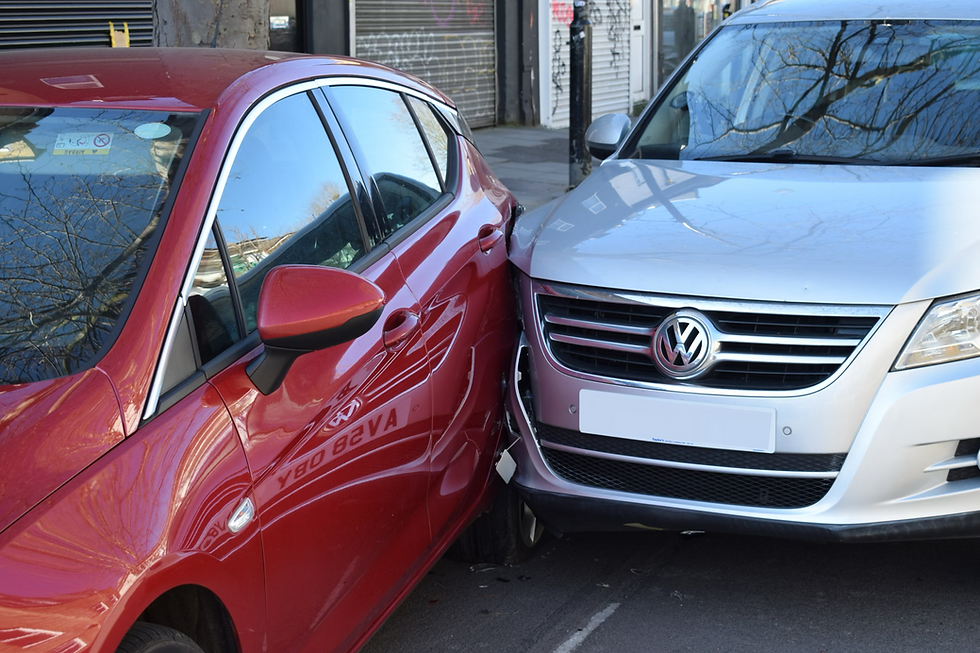

Only a third of UK adults are aware of staged car accidents, according to new findings from car insurance provider Prima. The scams, known as “crash for cash” schemes, involve fraudsters deliberately causing or faking collisions to claim compensation through insurance.
The data, collected by Opinium from 2,000 UK adults, shows that awareness remains low despite the risks these scams pose to both finances and safety. The problem is particularly severe in London, where one in four residents have either been directly involved in or know someone affected by a staged crash. That figure is more than double the national average of 12%.

The research points to high-traffic urban areas like London as prime targets for fraud. The capital’s complex road layouts and frequent vehicle movement make it easier for staged accidents to go unnoticed. These areas provide ideal conditions for fraudsters who rely on the difficulty of verifying what actually occurred in a collision.
Despite their effectiveness in providing clear evidence and deterring fraud, only 30% of UK drivers currently use a dashcam. This leaves most motorists without visual proof in the event of a disputed incident. Wider use of dashcams could help reduce fraudulent claims and protect law-abiding drivers.
The study also found that 13% of the public believe insurers should take greater responsibility for preventing these scams. While insurance companies continue to invest in fraud detection, claims analytics and tools like telematics, some believe further progress could be achieved with the support of law enforcement.
Morad Benmoussa, Head of Customer Care UK at Prima, said: "Crash for cash scams remain a serious threat to drivers across the UK, especially in cities like London. At Prima, we're dedicated to empowering our customers with the knowledge they need to protect themselves, through proactive steps like installing a dashcam and clear guidance on how to act if they fall victim. With the right awareness and tools, our customers can take control and stay one step ahead."