.jpg)



What makes a ‘fair’ taxi fare? Balancing driver sustainability with passenger value

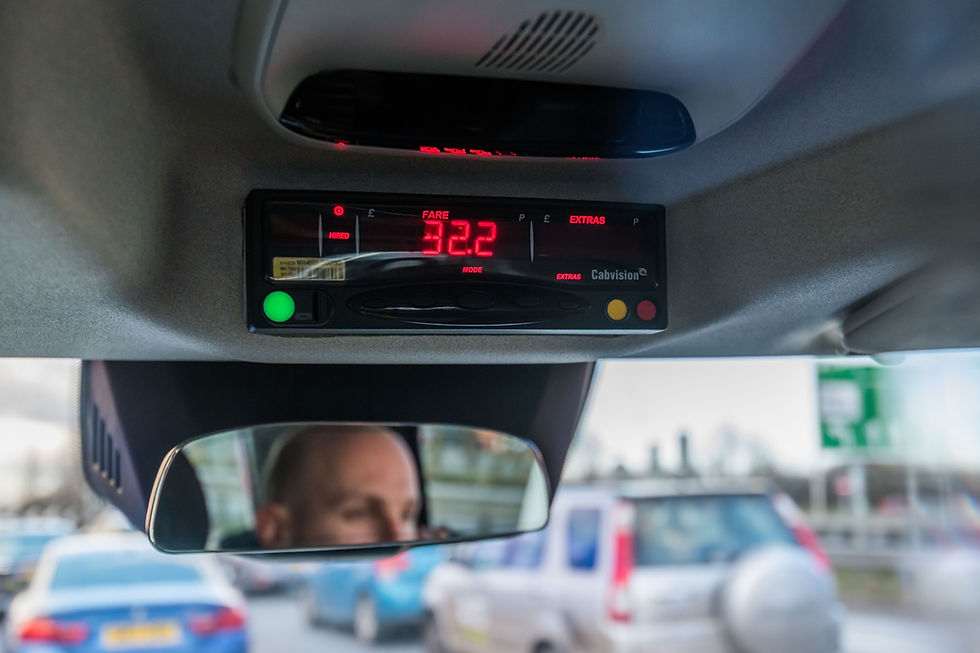

The question of what constitutes a fair taxi fare remains a central issue for pretty much everyone in the industry, as passengers, regulators and drivers navigate rising living costs and competition from private hire platforms.
At its heart, a viable taxi price must strike a balance between two competing pressures. For drivers, tariffs must be sufficient to sustain a reasonable standard of living in the area in which they are licensed. For passengers, fares must remain competitive with alternative transport options while delivering a level of service that justifies the cost.

For drivers, the economics are increasingly challenging. A taxi fare must first cover operating expenses, including fuel or electricity, insurance, vehicle purchase or finance, maintenance and licensing costs. These overheads vary significantly by region, reflecting differences in local economies and regulatory requirements.
Beyond basic costs, tariffs must also account for inflation, which continues to erode real earnings if fare structures are not regularly reviewed. Industry stakeholders have long argued that without periodic tariff adjustments, drivers face a gradual decline in income and potentially leading to reduced driver numbers.
Industry debate continues over how tariffs can remain competitive while supporting driver incomes and service standards
Competition from the private hire sector adds further complexity. Private hire vehicle (PHV) operators often advertise lower fares, but these typically include a commission structure that reduces the driver’s share of each journey even further. In contrast, hackney carriage drivers operate without a middleman, retaining the full fare. This distinction means that headline price comparisons do not always reflect the underlying economics of each model when you look at driver take home pay.
As a result, taxi tariffs must remain competitive with PHV pricing while avoiding a race to the bottom that could undermine driver earnings.
From the passenger perspective, pricing is closely linked to perceived value. Taxis compete not only with private hire services but also with public transport options such as buses and trains. If fares are significantly higher without a corresponding benefit, demand is likely to fall.
However, passengers also factor in convenience, reliability and service standards when choosing transport. Taxis offer immediate availability at ranks or via street hire, regulated drivers, and consistent pricing structures without dynamic surge mechanisms. These elements can justify a slightly higher fare compared to other modes of transport.
Vehicle standards further influence passenger expectations. Taxi fleets vary widely across the UK, ranging from standard saloon cars to purpose-built, wheelchair accessible vehicles and newer electric models. Higher-quality vehicles and enhanced accessibility can support higher tariffs where passengers perceive added value.
Ultimately, industry consensus suggests that a fair taxi fare is not defined by being the lowest price, but by maintaining equilibrium between affordability and sustainability. If tariffs are set too high, passengers may seek alternatives. If set too low, drivers may exit the trade, reducing availability and service quality.
With ongoing cost pressures and volatility, the challenge for licensing authorities will be to ensure that fare structures remain responsive to both economic conditions and market competition, while preserving the long-term viability of the taxi sector.