.jpg)



Should airport taxi drop-off charges now face a UK-wide political challenge?

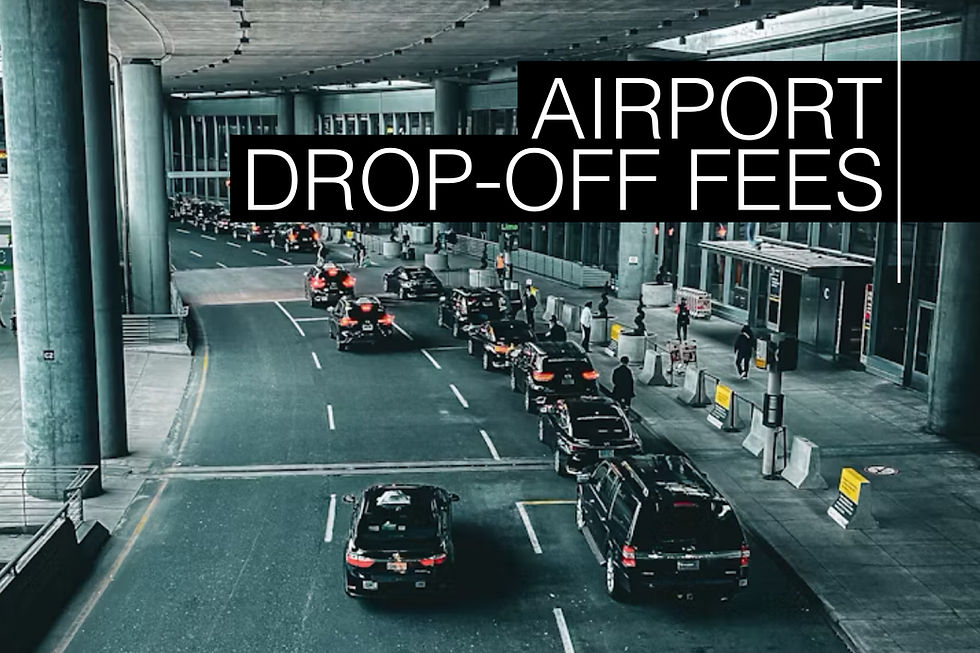

The growing backlash against airport drop-off charges in Edinburgh is now raising wider questions across the UK about whether licensed taxi drivers a and their customers are being unfairly penalised despite playing a major role in modern public transport networks.
As airports continue increasing fees for vehicles entering terminal forecourts, sections of the taxi industry are beginning to ask whether the debate should move beyond Scotland and become a coordinated national campaign involving MPs, councillors and transport policymakers throughout Britain.

The issue has gained fresh attention following Unite’s Edinburgh Black Cab Branch calling for licensed taxis to be exempt from Edinburgh Airport’s rising barrier charges. However, similar concerns have quietly existed for years in cities including London, Manchester, Birmingham, Bristol and Glasgow, where airport access costs have steadily increased.
For many within the trade, the debate is not just about the price of dropping off passengers. Instead, it has become a wider argument about whether airports genuinely support integrated public transport systems or increasingly treat licensed taxi services as little different from private vehicles entering airport grounds.
Growing frustration over rising airport access fees is prompting calls for MPs, councils and transport authorities across Britain to reconsider whether licensed taxis are being treated unfairly despite their role in accessible and low-emission public transport.
The timing of the debate is significant given the substantial investment many taxi operators have made in cleaner vehicles. Across major UK cities, large sections of taxi fleets are now either fully electric, hybrid or Euro 6 compliant as licensing authorities tighten environmental standards.
In London alone, the transition towards zero-emission capable taxis has reshaped the industry over the last decade, with thousands of drivers investing heavily in electric-capable black cabs. Similar shifts are taking place across Scotland and other parts of England as councils introduce stricter emissions policies and clean air measures.
At the same time, taxis remain one of the largest providers of wheelchair-accessible transport services operating around the clock in many urban areas. For disabled passengers travelling to airports, taxis often remain the only practical door-to-door transport option, particularly during early morning or late-night hours when rail and bus services may be limited.
Critics within the industry argue that airports publicly promote sustainability and accessibility while simultaneously imposing rising charges on the very transport services helping deliver those objectives.
Some trade representatives now believe the sector must begin lobbying nationally rather than addressing airport charges city by city. There is growing discussion around whether MPs, devolved governments and local councils should examine whether licensed taxi and private hire operators carrying fare-paying passengers should receive exemptions, discounts or grace periods when accessing airport terminals.

Supporters of reform argue airports should be encouraged to work more closely with local taxi industries as part of wider transport planning. Integrated transport systems are increasingly viewed as essential for economic growth, tourism and city connectivity, particularly in major urban centres where passengers rely on multiple transport modes to complete journeys.
The debate may also become politically sensitive as councils and governments continue encouraging reduced private car usage. Taxi groups argue it appears contradictory for authorities to promote public transport integration while airport operators continue increasing fees for regulated passenger transport services.
Airports, however, have consistently defended drop-off charging structures as necessary for traffic management, congestion reduction and environmental control around terminal areas. Many operators also view access fees as an increasingly important revenue stream amid wider operational pressures.
Despite that, frustration within the taxi sector appears to be building. Some industry figures now believe a coordinated UK-wide lobbying campaign targeting MPs, devolved administrations and local councillors could become the next step if airport charging policies continue rising without exemptions for licensed public transport providers.