.jpg)



Ministers acknowledge autonomous passenger services may threaten taxi driver jobs as pilots get green light

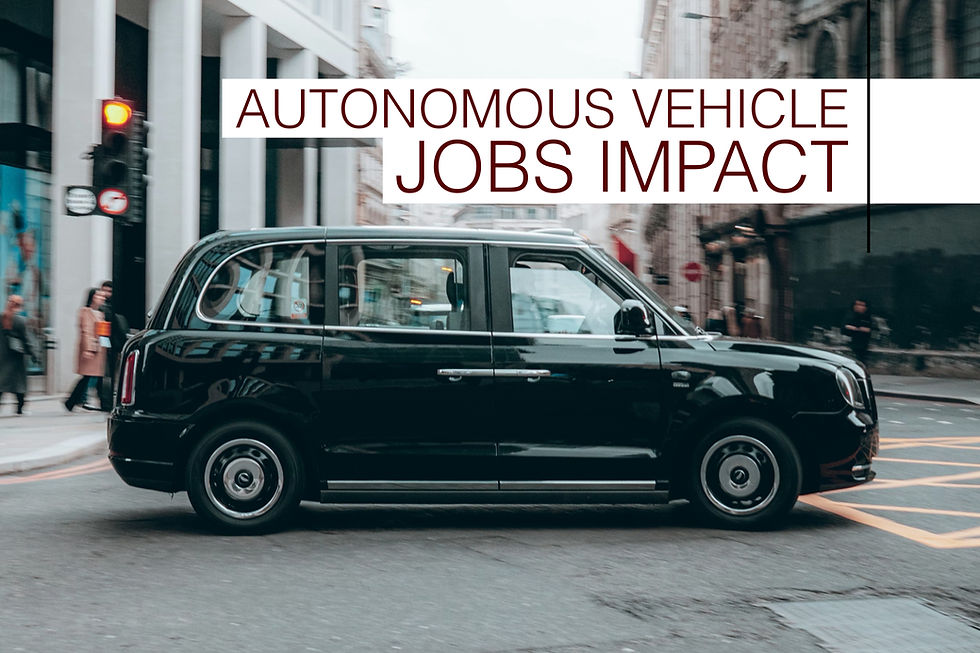

The Government has acknowledged the potential impact automated passenger services could have on jobs in the taxi and private hire industry as commercial self-driving vehicle pilots prepare to launch across Great Britain.
In a written parliamentary response published on 22 May, Roads and Buses Minister Simon Lightwood confirmed the Government was assessing how autonomous vehicle deployment may affect employment within the sector during the early stages of rollout.

The comments came after Labour MP Scott Arthur asked the Department for Transport what support would be made available to taxi and private hire drivers displaced by automated passenger services. The question specifically raised the issue of both fiscal assistance and retraining opportunities for drivers potentially affected by the technology.
In response, Lightwood said the Government had established a commercial piloting route for Automated Passenger Services to allow ministers, local authorities and operators to learn from initial deployments, “including considering potential impacts on jobs”.
Ministers say autonomous passenger services could affect employment in the taxi and private hire sector as industry seeks clarity on future support
While ministers stressed the first phase of automated passenger services would likely remain small-scale, the response is likely to reinforce concerns already circulating within sections of the taxi and private hire trades about the long-term effect driverless technology could have on employment levels.
The Department for Transport did not outline any direct compensation schemes, retraining packages or financial protections for drivers whose work could eventually be affected by autonomous fleets. Instead, the minister said the Government would continue engaging with unions and other interested parties to ensure any transition is “managed responsibly”.
The emergence of automated taxi-style services has become an increasingly sensitive topic across the licensed transport industry. Many drivers already face rising vehicle costs, changing licensing requirements and increased competition within the private hire market. The prospect of autonomous vehicles entering commercial passenger transport has added another layer of uncertainty around long-term job security.
Government ministers have continued to position self-driving technology as an economic opportunity capable of creating investment and high-skilled jobs linked to software, engineering and vehicle operations. However, concerns remain over whether new technology-focused roles would offset any reduction in traditional driving jobs across taxi and private hire services.
Industry observers expect unions and trade representatives to seek firmer commitments from ministers over workforce transition planning as pilot schemes move from testing stages towards commercial operation.

The Government opened applications this week for operators wishing to run self-driving passenger services on British roads, with early commercial services potentially launching later this year under controlled pilot arrangements.
Simon Lightwood said: “The Government has established a commercial piloting route for Automated Passenger Services. This will enable government, deployers and local authorities to learn from initial deployments, including considering potential impacts on jobs.
“The initial roll-out of automated services is likely to be small-scale and the Government will continue to engage with unions and other interested parties to ensure any transition is managed responsibly, including understanding new skills and employment opportunities associated with their deployment.”